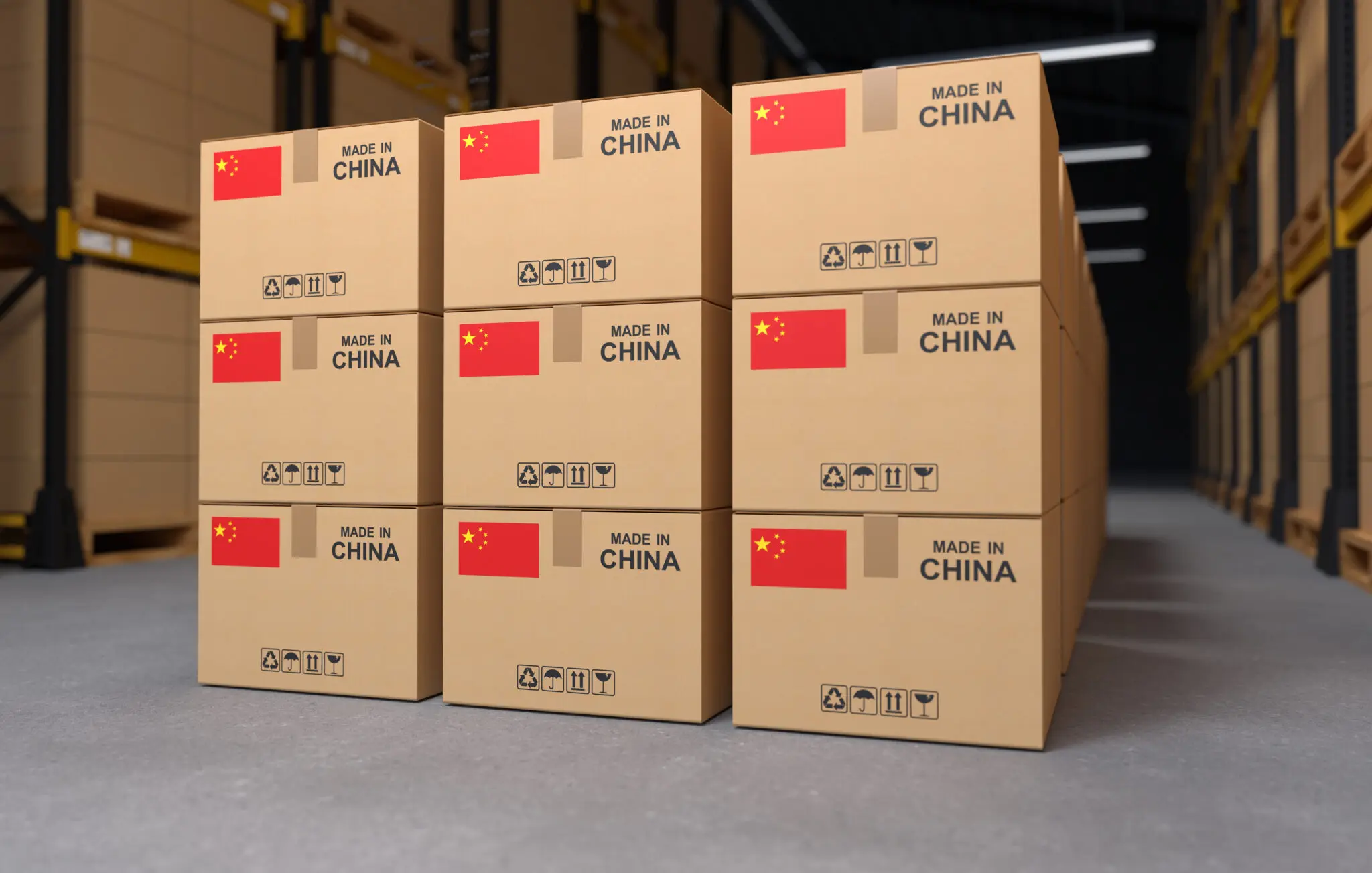
The end of cheap, duty-free parcels from China: EU and UK remove customs exemption for shipments under €150
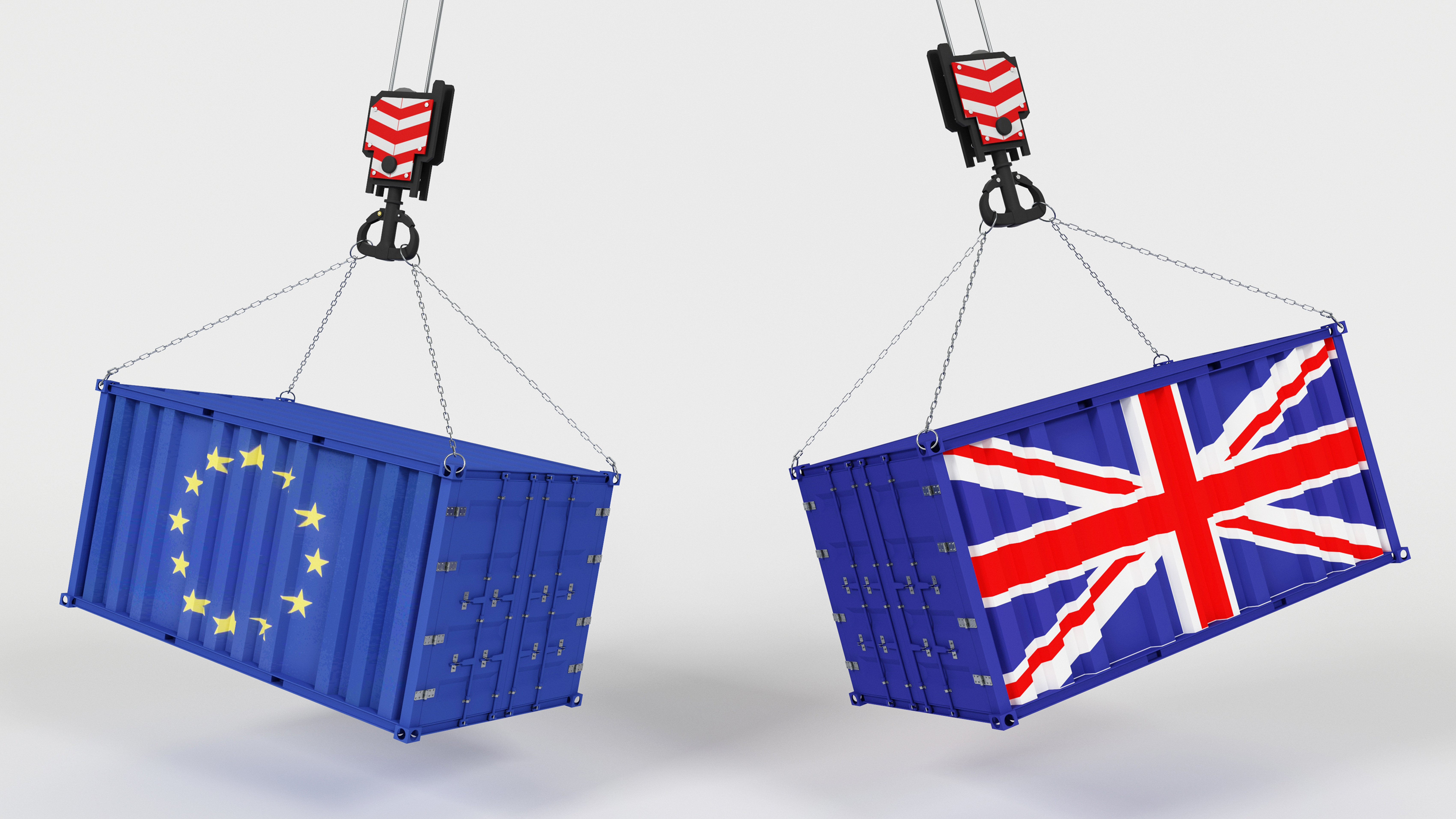
The European Union and the UK are ending the low-value customs relief for parcels from China and other non-EU countries. Both jurisdictions have decided to remove the customs exemption for shipments up to €150 in the EU and up to £135 in the UK.
As a result, every e-commerce parcel will be subject to customs duty, VAT and full customs clearance.
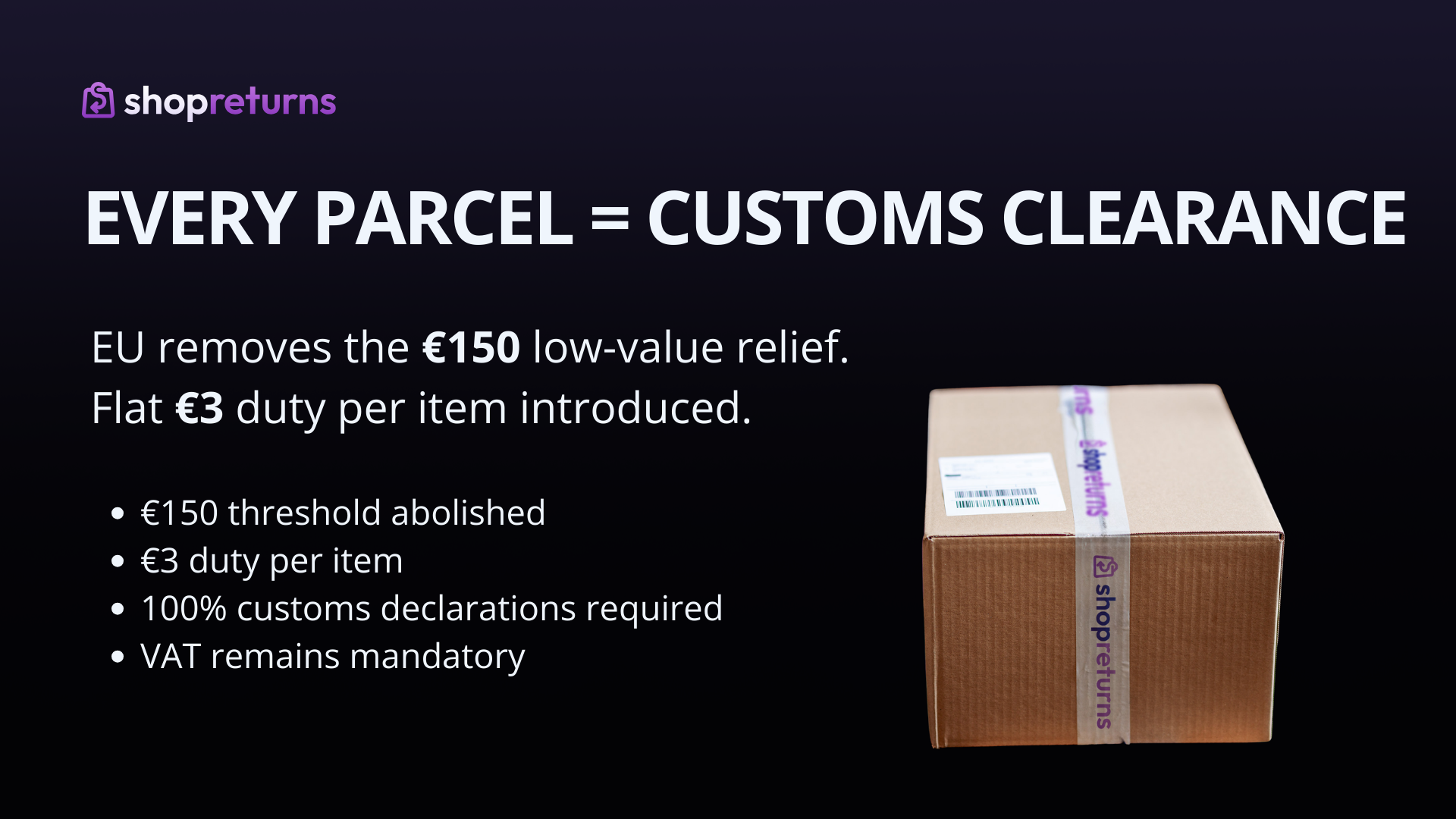
In the EU, a flat-rate customs duty of €3 per item will apply from 1 July 2026 as an interim measure.
For e-commerce businesses importing from Asia, this is a structural shift in cost, compliance and margin control.
What you will learn
- How new customs regulations affect fulfilment costs
- How dropshipping and parcel-level imports change structurally
- When the EU and UK reforms take effect
- What this means for returns between the UK and EU
- How to prepare your logistics and customs data
The end of cheap parcels from China
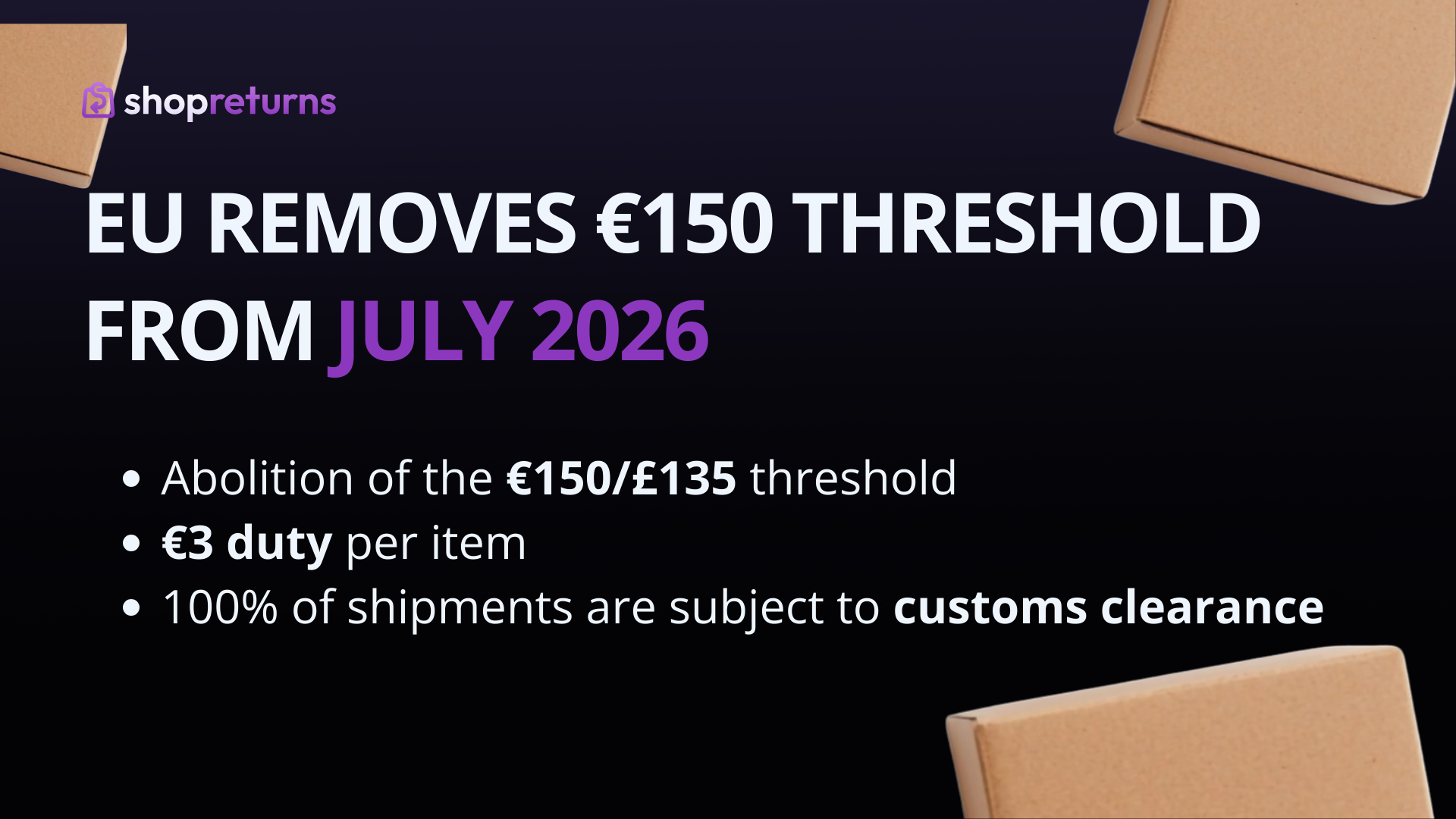
From 1 July 2026 in the EU:
- Abolition of the €150 threshold
- €3 duty per item
- 100% of shipments subject to customs clearance
This reform fundamentally changes the economics of parcel-level imports from Asia.
The low-cost direct shipping model is over
Direct-to-consumer imports from China based on low-value relief become structurally more expensive.
Every parcel now generates:
- Customs duty
- Handling and clearance fees
- Higher inspection probability
- Increased delay risk
For sellers operating on thin margins, this is not a regulatory nuance. It is a pricing and fulfilment model redesign.
Returns after 2026: the hidden operational risk
The reform does not affect only outbound shipments.
Reverse logistics between the UK and EU becomes significantly more complex.
From 2026, every UK–EU return may require:
- Full customs declaration
- VAT exposure on re-imported goods
- Clearance processing time
- Increased cost per return
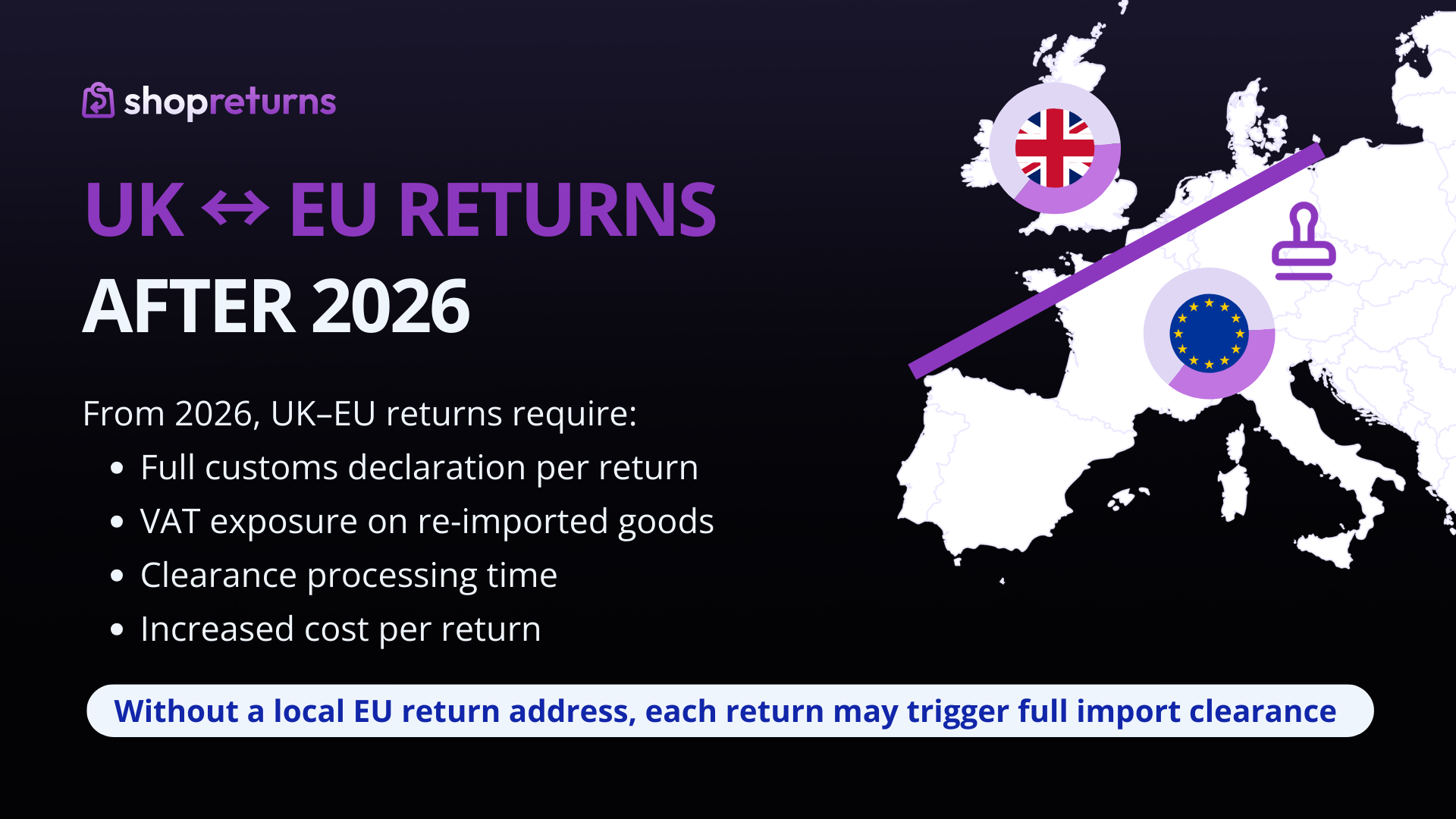
Without a local EU return address, each return may trigger full import clearance.
Timeline of regulatory changes
European Union
- 1 July 2026 – €3 duty per item below €150
- 2026–2028 – transition period
- 2028 – full implementation aligned with the EU digital customs framework
United Kingdom
- £135 relief valid at least until the end of 2026
- Full removal expected by 2029
What this means for importers
Margin pressure
Customs duty + administrative costs + inspection risk reduce product profitability.
Not every SKU will absorb an additional €3 per item.
Customs data becomes critical
100% shipment-level control requires:
- Verified HS codes
- Accurate declared values
- Confirmed origin of goods
- Automation in customs data exchange
Manual handling of thousands of SKUs will not scale.
Can EU fulfilment be the response?
Instead of clearing thousands of individual parcels, companies may shift to:
- One consolidated import
- Central EU or UK warehouse
- Local last-mile delivery
This model offers:
- Lower unit clearance cost
- Faster delivery
- Greater operational predictability
- Improved margin stability
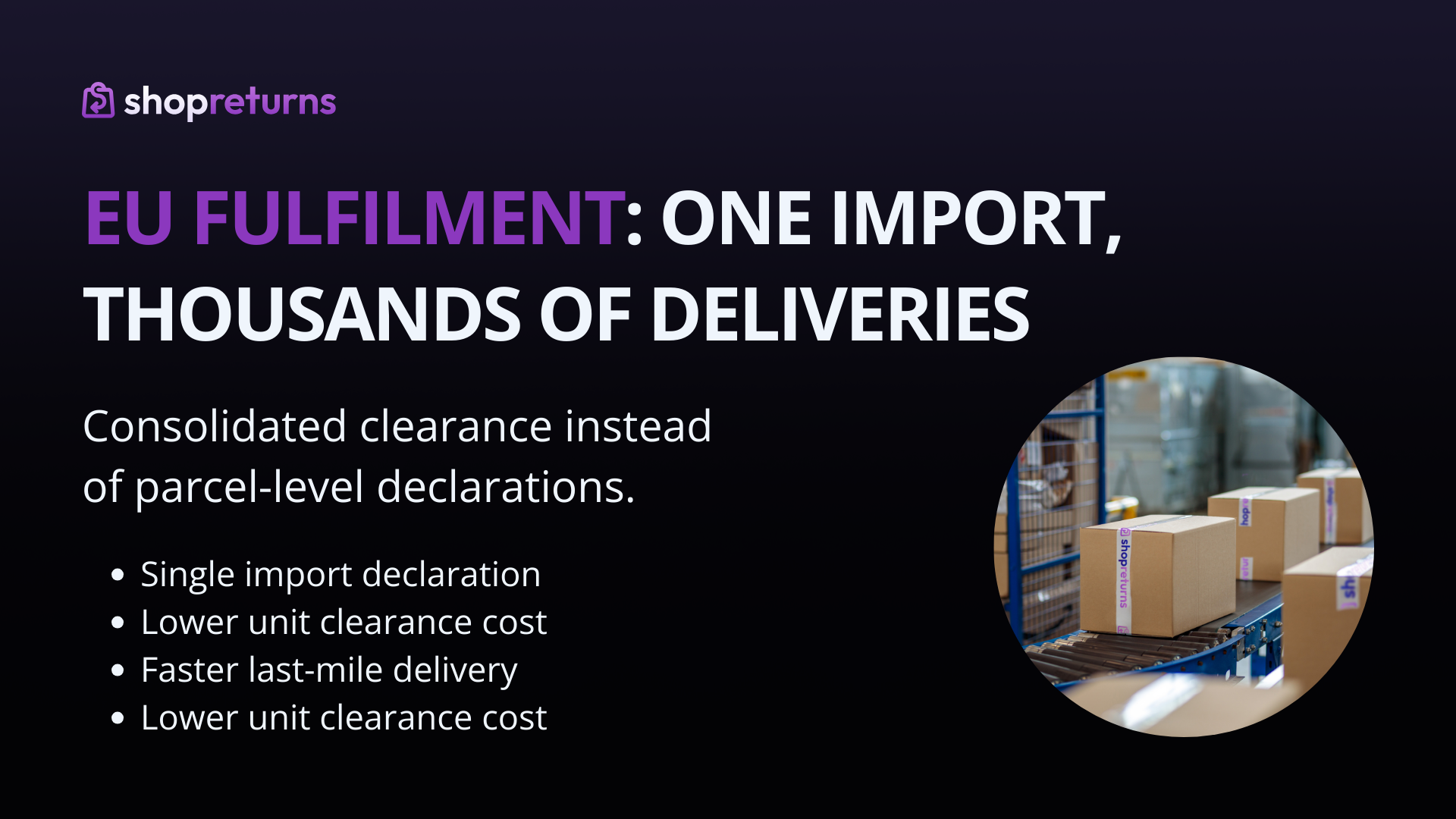
For cross-border sellers, combining local fulfilment with a local return address can reduce clearance risk and improve customer experience.
How to prepare now
1. Recalculate product profitability
- Model impact of €3 duty per item
- Identify unprofitable SKUs
- Adjust pricing scenarios for EU and UK separately
2. Audit customs data
- Validate HS codes
- Confirm declared values
- Prepare automation for customs documentation
3. Reassess logistics structure
- Compare parcel-level imports vs consolidated imports
- Evaluate EU or UK fulfilment
- Analyse impact on delivery time and conversion
4. Update checkout and communication
Customs costs will become visible to consumers.
You must:
- Clearly state whether duties and VAT are included
- Update terms and FAQs
- Align post-purchase communication
Lack of transparency reduces conversion rates.
Final note
The 2026–2028 transition period is not a waiting phase. It is a redesign window.
Companies that restructure early will protect margins, stabilise cross-border operations and reduce customs risk while the market adjusts.